

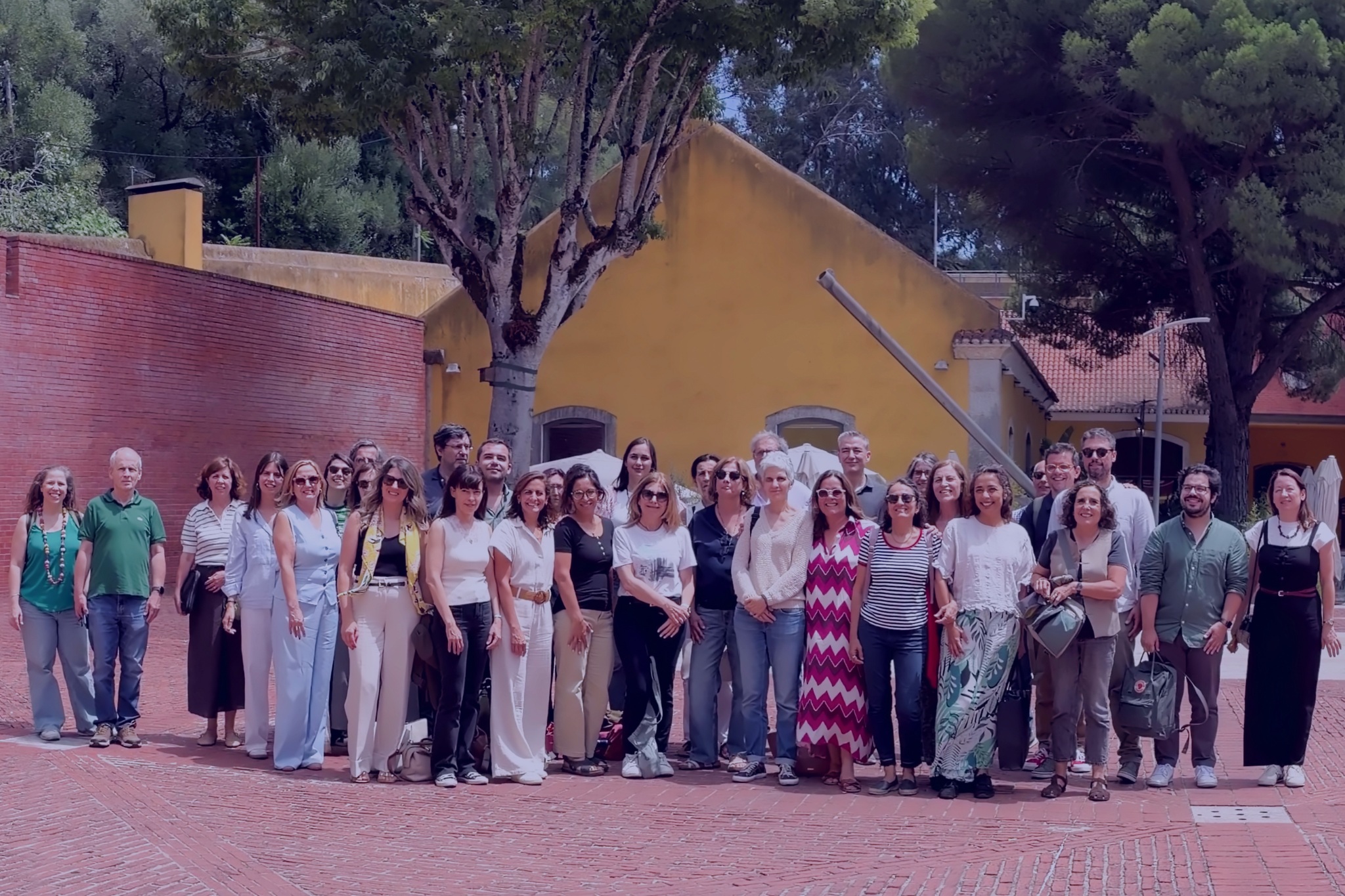
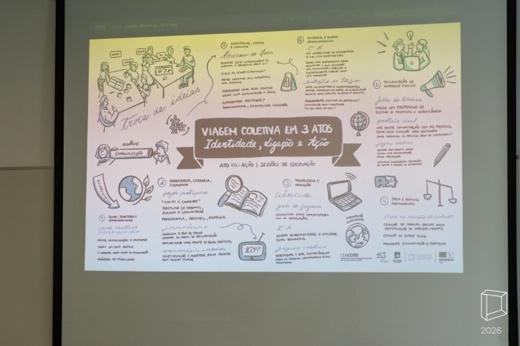
Sob o mote “Viagem coletiva em três atos – Identidade, Ligação e Ação”, cerca de 40 docentes e investigadores da ESCS juntaram-se, no passado dia 14 de julho, na Universidade Atlântica – Fábrica da Pólvora, em Oeiras, para o II Encontro de Investigador@s do LIACOM e II Residência da Cátedra UNESCO Comunicação, Literacia Mediática e Cidadania da ESCS. O encontro contou com a presença do presidente do IPL, António Belo.
O programa foi pensado para fortalecer a proximidade entre colegas, dar a conhecer o trabalho que tem vindo a ser desenvolvido e promover oportunidades para a criação de novos projetos em colaboração.
Ato I: Identidade – Quem somos?
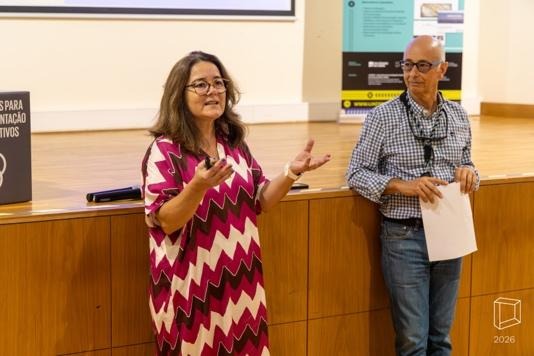
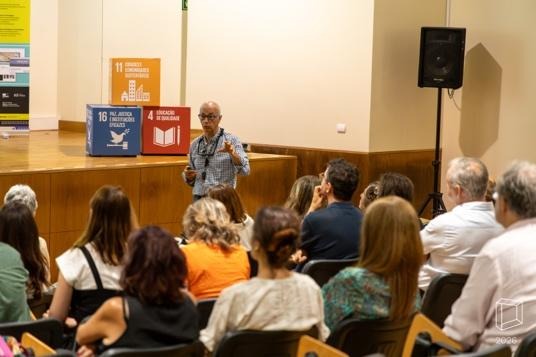
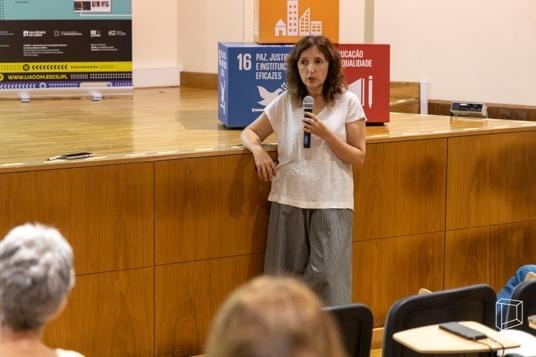
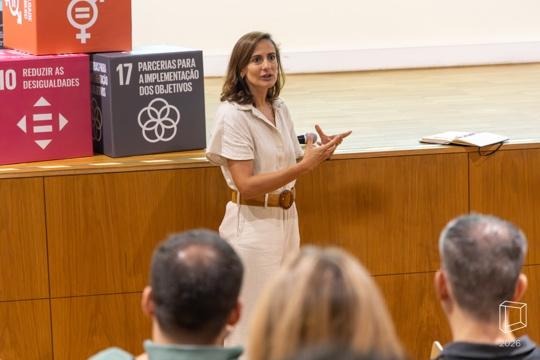
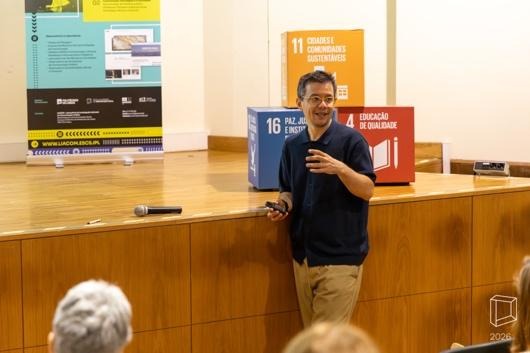
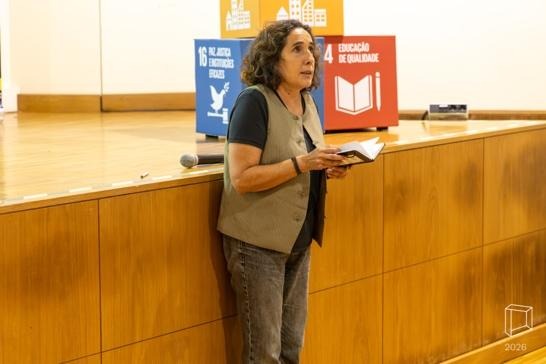
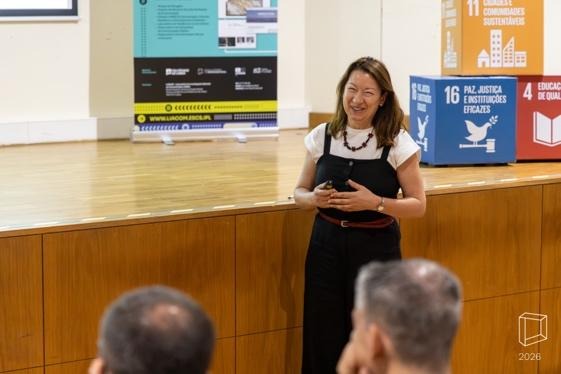
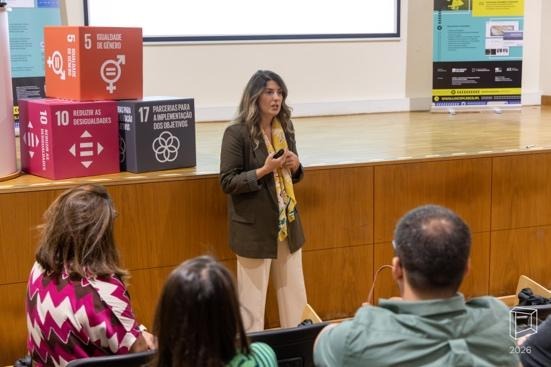
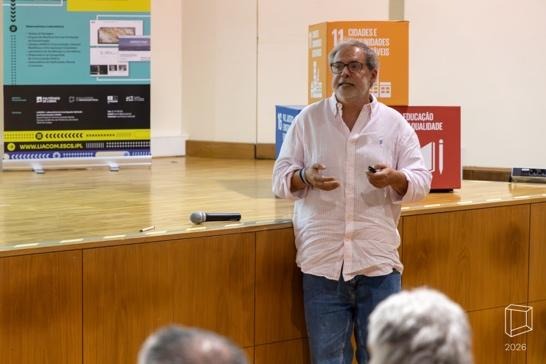
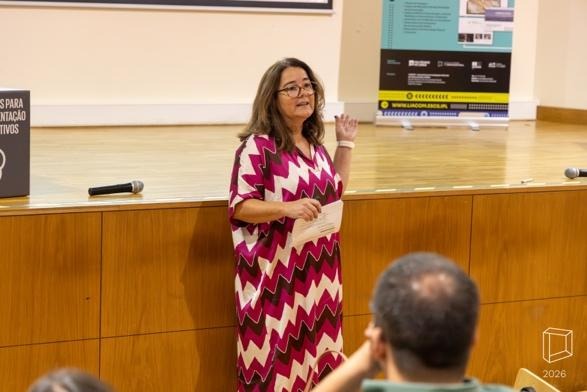
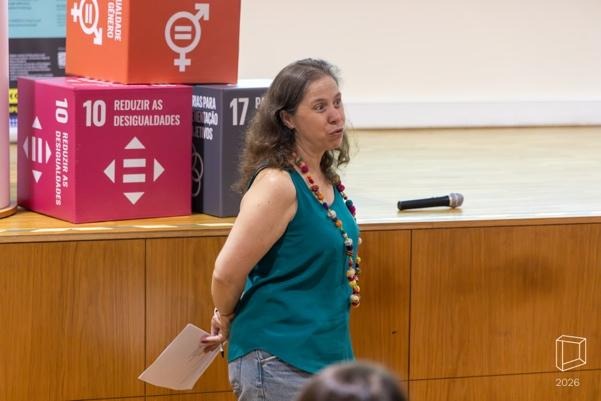
A manhã começou com a apresentação dos resultados do LIACOM (Laboratório de Investigação Aplicada em Comunicação e Média) e das suas estruturas: Museu da Paisagem, Arquivo de Memória Oral das Profissões da Comunicação, Laboratório de Tendências no Jornalismo, Observatório de Campanhas de Comunicação Pública, Observatório de Publicidade, Marcas e Consumo e Cátedra UNESCO Comunicação, Literacia Mediática e Cidadania.
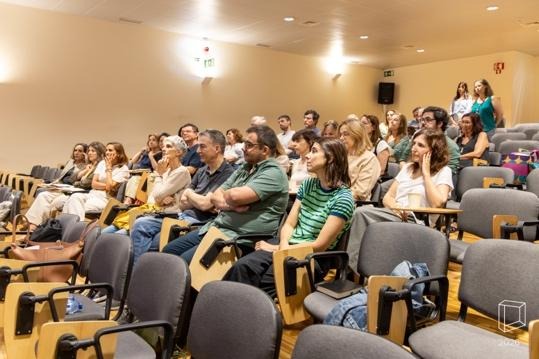
Ao longo desta sessão, os investigadores fizeram um balanço do trabalho desenvolvido no último ano letivo, partilhando projetos de investigação, candidaturas a financiamentos, parcerias estabelecidas e iniciativas em curso. O momento serviu ainda para dar a conhecer novas oportunidades de investigação que serão lançadas em breve, abrindo caminho a futuras colaborações.
A sessão permitiu tornar mais visível o trabalho desenvolvido pelas diferentes equipas e identificar pontos de contacto entre áreas de investigação que nem sempre se cruzam no quotidiano.
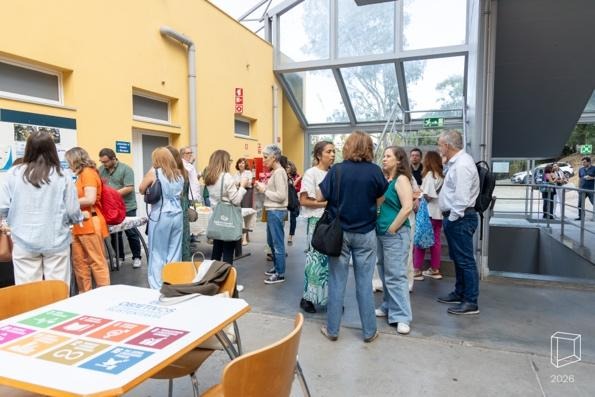
A pausa para café prolongou esse espírito de partilha num ambiente informal, em torno de uma mesa enriquecida com comidas e bebidas trazidas pelos próprios participantes.
Ato II: Ligação – Como nos aproximamos?
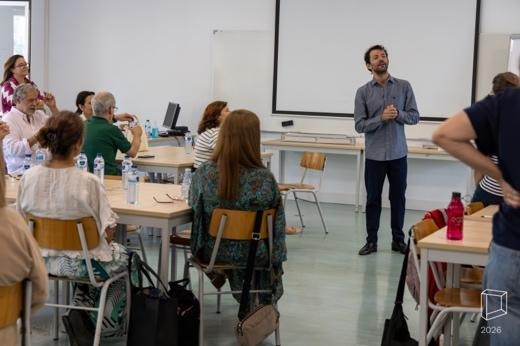
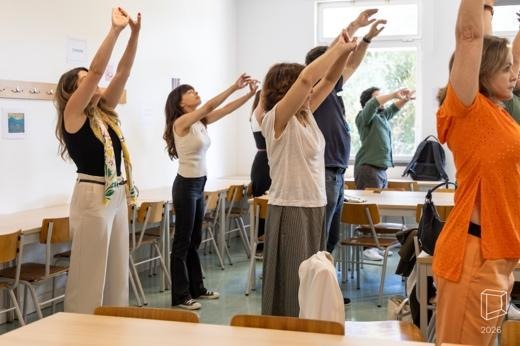
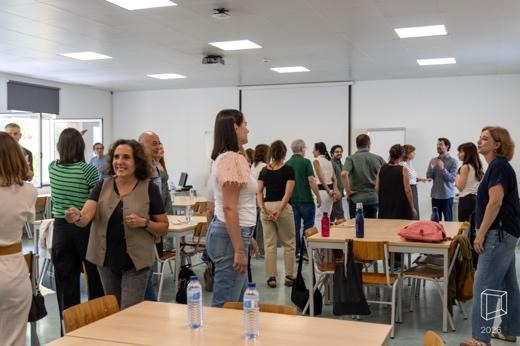
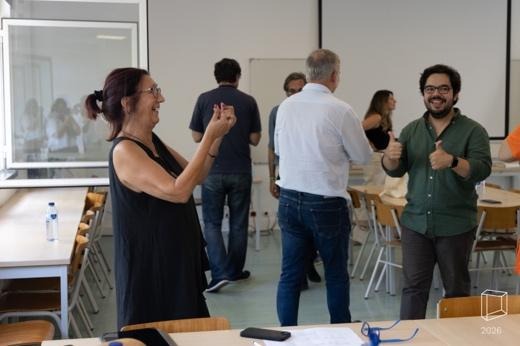
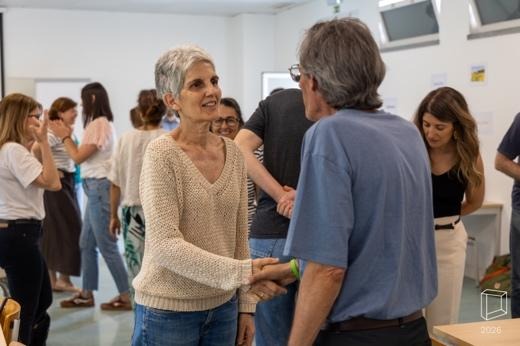
Da reflexão passou-se à interação. Durante a segunda parte da manhã, os investigadores foram desafiados a fugir às rotinas habituais através de dinâmicas orientadas para a criação de confiança, aproximação e trabalho em equipa, aspetos particularmente relevantes para a colaboração em projetos de investigação.
A sessão, dinamizada pelo ator e formador João Fartaria, recorreu a exercícios de expressão corporal e vocal, desafiando o grupo a comunicar de formas diferentes e a estabelecer novas ligações.
O almoço prolongou naturalmente este ambiente de convívio, permitindo que muitas das conversas iniciadas durante a manhã continuassem de forma espontânea.
Ato III: Ação – O que vamos construir?
A tarde foi dedicada à construção do futuro. Distribuídos por mesas temáticas, os participantes trabalharam na identificação de oportunidades de investigação e projetos colaborativos.
Para estimular o cruzamento entre disciplinas e perspetivas, os investigadores foram desafiados a integrar grupos com colegas com quem trabalham menos frequentemente.
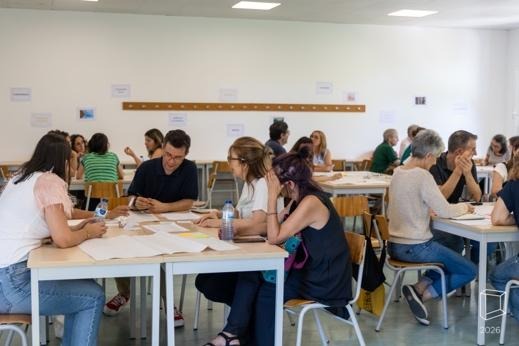
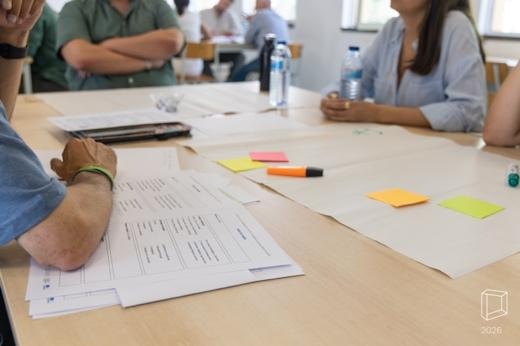
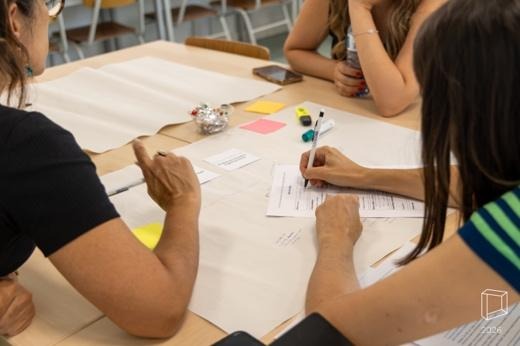
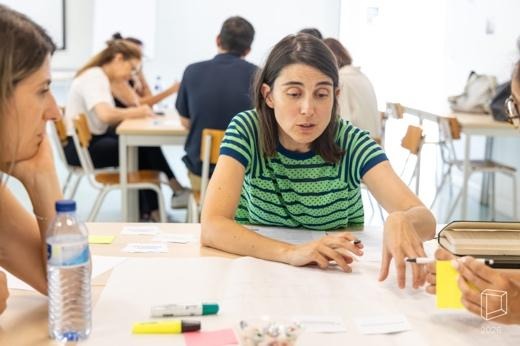
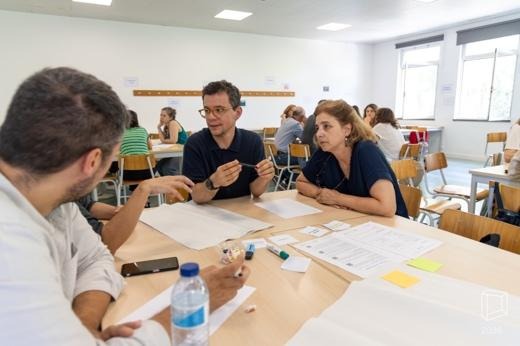
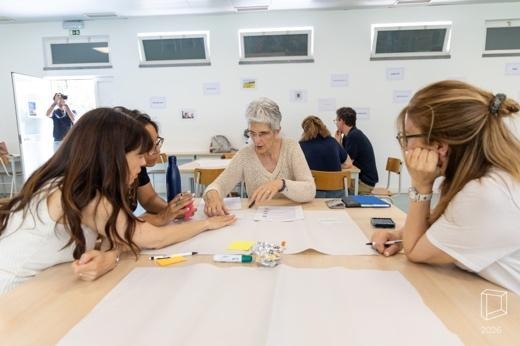
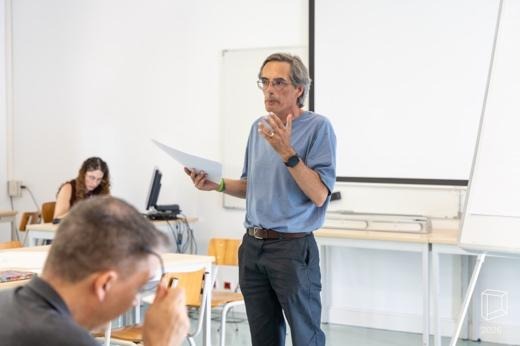
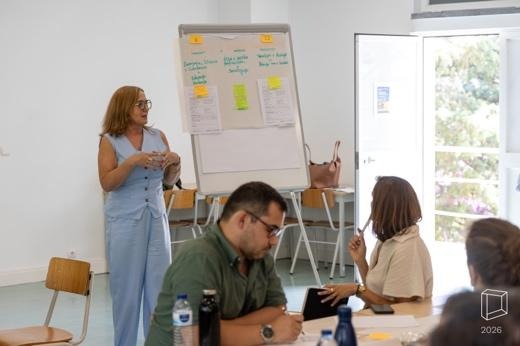
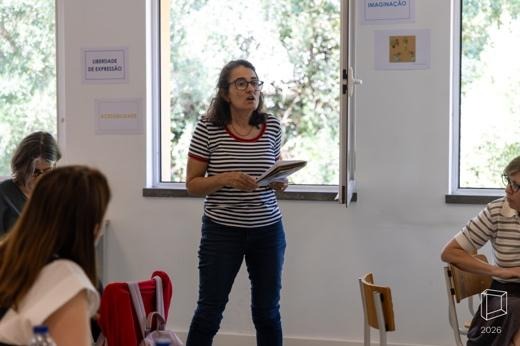
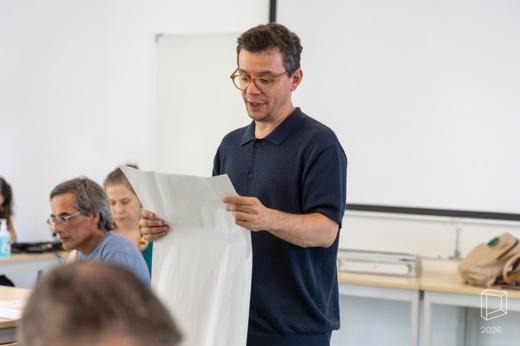
A diversidade de experiências e áreas de especialização inspirou as discussões, dando origem a várias propostas que serão agora aprofundadas com o apoio do LIACOM e da Cátedra UNESCO da ESCS.
O encontro terminou com a apresentação do Roteiro LIACOM 2026-2030, que sintetizou algumas das prioridades estratégicas do centro de investigação e da Cátedra UNESCO para o futuro.
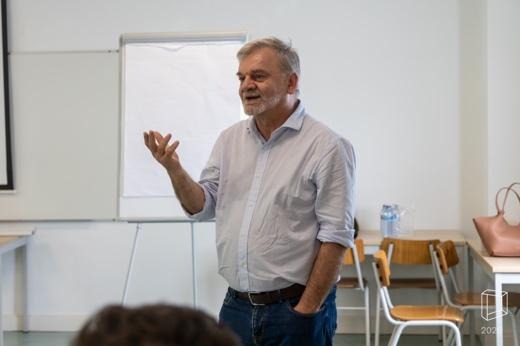
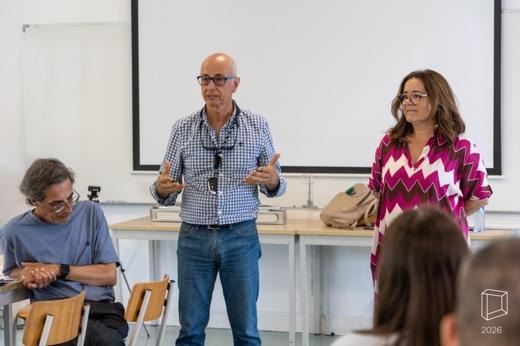
No final do dia, os participantes sublinharam que o encontro foi um momento “facilitador de trabalho e de encontros”, valorizando o “companheirismo”, a “partilha”, o “compromisso” e a importância de criar tempo e espaço para conversar, conhecer e construir em conjunto.
Fotos/vídeo: SCom